
The Plate Method PDF offers a concise visual guide, simplifying balanced meals into a single, easy‑to‑follow diagram. It explains portion sizes, color cues, and nutrient balance, making it a practical tool for nutrition education, meal planning, and healthy habits. It supports quick reference for busy lifestyles
What Is the Plate Method?
The Plate Method is a visual, portion‑controlled eating strategy that divides a standard dinner plate into distinct sections to represent the recommended balance of food groups. By allocating half the plate to vegetables and fruits, one quarter to lean proteins, and one quarter to whole grains or starchy foods, the method encourages nutrient density while limiting excess calories. The approach is rooted in evidence‑based dietary guidelines and has been adopted by health professionals worldwide for its simplicity, adaptability, and effectiveness in promoting long‑term healthy eating habits. It can be applied to any meal, from breakfast to dinner, and is especially useful for individuals seeking a straightforward framework to avoid overconsumption and to ensure a diverse intake of vitamins, minerals, fiber, and lean protein. The visual nature of the Plate Method also supports quick decision‑making in grocery stores and dining settings, enabling people to make balanced choices without complex calculations or meal planning software. By focusing on the visual distribution of food groups, the Plate Method reduces the cognitive load associated with meal planning, making it accessible for people of all ages, including children, seniors, and busy professionals. Additionally, the method can be tailored to accommodate specific dietary needs such as vegetarian, vegan, or low‑carbohydrate preferences, by adjusting the protein or grain sections accordingly. Overall the Plate Method empowers balanced meals for health and well‑being wellness.
Why PDFs Matter for Health Guides
PDFs are the most widely accepted format for distributing health information because they preserve layout, are platform‑independent, and can be shared via email, websites, or printed copies. They allow health professionals to embed hyperlinks, images, and worksheets, ensuring a consistent experience across devices. PDFs support secure encryption and watermarking, protecting sensitive data. In short, PDFs provide a reliable, accessible, and secure platform that supports the dissemination and longevity of health guides. PDFs can be compressed without significant loss of quality, allowing high‑resolution images to be included without excessive file size. They also support accessibility features such as screen reader compatibility and adjustable text size, ensuring inclusivity for all users. Because PDFs are readable, they can be printed or viewed on any device, making them ideal for learning and sharing online.

- Print‑ready design enables distribution in clinics or community centers;
- Version control is straightforward; each update can be released as a new PDF with a clear revision number.
- PDFs integrate with learning management systems, embedding the guide into courses and tracking access.
- Cloud storage of PDFs facilitates long‑term archiving and easy retrieval for future reference or audits.
Moreover, PDFs can be shared via QR codes, allowing quick access on smartphones. Their universal compatibility ensures that even users on older devices can view the guide without issues, making the PDF an ideal choice for widespread health education.
Obtaining the Plate Method PDF
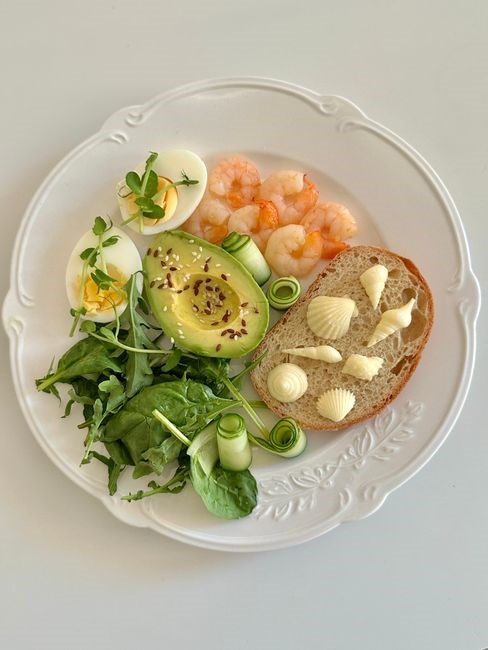
Download the PDF from health sites or trusted nutrition portals. Verify the file’s authenticity by checking digital signatures or publisher credentials. Once saved, you can view, print, or share it offline, ensuring you always have a reliable reference for balanced meals.
Sources and Downloads.
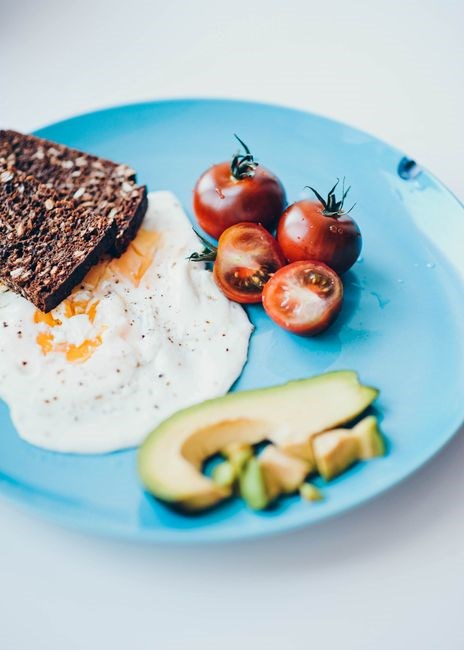
When searching for a reliable Plate Method PDF, start with government and university resources that publish peer‑reviewed nutrition guides. The U.S. Department of Agriculture (USDA) and the National Institutes of Health (NIH) host downloadable PDFs that are regularly updated and free of charge. Many state health departments also provide localized versions that reflect regional dietary recommendations. Academic institutions, such as Harvard T.H. Chan School of Public Health and the University of Michigan’s School of Public Health, offer PDFs that include evidence‑based explanations and visual aids. These documents are typically available in PDF format and can be downloaded directly from the institution’s official website or through the university’s open‑access repository. When accessing these files, look for a digital signature or a “verified” badge that confirms the authenticity of the source. Avoid third‑party sites that require payment or ask for personal data, as they may host outdated or inaccurate versions. Always check the publication date; the latest edition ensures that the nutritional information aligns with current dietary guidelines. Once downloaded, you can print the PDF for quick reference or save it to a mobile device for on‑the‑go meal planning. By using official sources, you guarantee that your Plate Method guide is accurate, trustworthy, and aligned with national health standards. Download the PDF in high‑res to ensure crisp images, and consider printing a copy for reference during grocery shopping or cooking sessions, handy!!
Understanding the Plate Layout
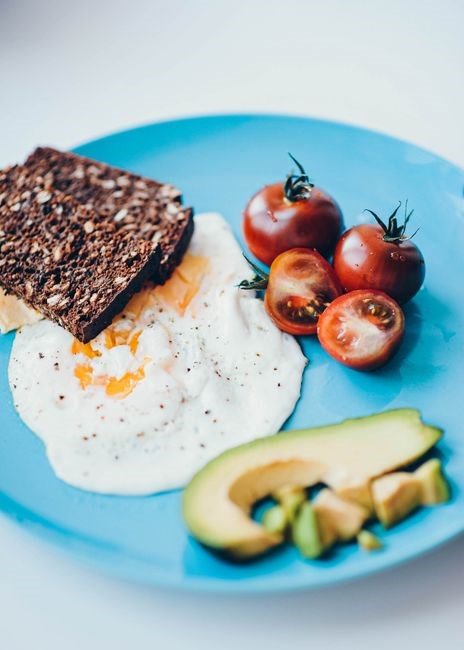
The Plate Method PDF divides a plate into sections: half for vegetables and fruits, a quarter for lean proteins, and a quarter for whole grains. Color‑coded icons guide portion sizes, ensuring balanced nutrients and easy meal planning. The diagram emphasizes hydration recommending water or herbal tea dailysip at.
Food Groups and Portion Sizes
In the Plate Method PDF, each food group is clearly defined and assigned a specific portion size to promote balanced nutrition. The diagram is split into three main sections: vegetables and fruits occupy half the plate, providing essential vitamins, minerals, and fiber. The remaining half is divided equally between lean proteins and whole grains, ensuring adequate energy and satiety. For proteins, the recommended portion is roughly the size of a deck of cards, which translates to about 3–4 ounces of cooked meat, poultry, fish, or plant‑based alternatives. Whole grains should fill a quarter of the plate, roughly the size of a fist, and include options such as brown rice, quinoa, whole‑wheat pasta, or barley. The vegetable and fruit section is further broken down into sub‑categories, with leafy greens taking up the largest slice, followed by other vegetables and a smaller portion for fruit. Color coding in the PDF helps users quickly identify each group: green for vegetables, orange for fruits, blue for proteins, and brown for grains. Portion sizes are adjustable based on individual caloric needs, activity level, and dietary goals, but the visual guide provides a baseline that can be scaled up or down. By following these proportions, users can create meals that are nutritionally balanced, visually appealing, and easy to remember, making healthy eating a sustainable habit. Nutritionists recommend adjusting portion sizes to meet specific health goals, such as weight maintenance, muscle building, or managing chronic conditions, while keeping the plate visually balanced. Use PDF daily for checks.
Color Coding and Visual Tips
The Plate Method PDF uses a simple color system that turns nutrition into a visual cue. Each food group is assigned a distinct hue: green for vegetables, orange for fruits, blue for proteins, and brown for grains. This palette not only makes the plate instantly recognizable but also reinforces the idea that a balanced meal is a colorful one. The PDF includes a legend that explains the exact shade and proportion for each group, helping users to quickly assess whether a dish is meeting their dietary goals. Visual tips such as shading the vegetable section with a darker green gradient indicate a higher fiber density, while a lighter orange suggests a fruit‑rich portion. For proteins, a subtle blue overlay signals lean sources, whereas a darker blue can denote higher fat content. Grains are shown in a warm brown, with a lighter tint for whole grains and a darker tone for refined grains. The guide encourages users to adjust the intensity of the colors based on personal preferences, ensuring the plate remains both functional and appealing. By integrating color coding into everyday meal planning, the PDF turns abstract nutrition guidelines into a concrete, easy‑to‑follow visual strategy that can be applied in kitchens worldwide. The visual cues also aid in quick decision‑making, especially for busy individuals who need to maintain healthy eating habits without spending excessive time on meal prep. The PDF’s design is optimized for both print and digital use, allowing users to overlay the color palette onto actual dishes or use it as a reference during grocery shopping. This consistent visual language promotes consistency, reduces confusion, and ultimately supports long‑term adherence to balanced nutrition principles. Additionally, the PDF provides a side panel with suggested portion sizes measured in everyday objects, such as a tennis ball for a serving of fruit or a baseball for a serving of protein, further simplifying the visual approach. Users can also toggle between a light and dark mode in the digital version, ensuring readability in various lighting conditions. The color coding system is grounded in evidence‑based research that shows people are more likely to choose healthier options when they can see a clear, attractive representation of balanced portions. By making nutrition visually engaging, the Plate Method PDF empowers individuals to make informed choices quickly, fostering healthier habits that can be sustained over time. Finally, the PDF encourages users to personalize the color scheme by adding their own favorite hues or patterns, turning the plate into a canvas that reflects style while maintaining nutritional integrity. This customization feature not only enhances engagement but also reinforces the connection between visual appeal and healthy eating, making the Plate Method PDF a versatile tool for diverse audiences.

Applying the Plate Method in Daily Meals
The Plate Method PDF guides daily meals by dividing each plate into balanced sections. Use the color cues to fill half with veggies, a quarter with protein, a quarter with grains, and add a side of fruit. This visual plan simplifies healthy choices, ensuring variety and portion control. for all ages, balanced macros.
Breakfast Examples
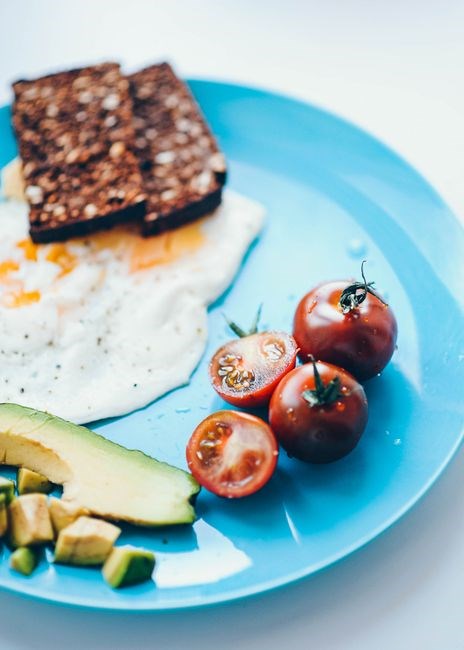
The Plate Method PDF offers a concise visual guide, simplifying balanced meals into a single, easy‑to‑follow diagram. It explains portion sizes, color cues, and nutrient balance, making it a practical tool for nutrition education, meal planning, and healthy habits. It supports quick reference for busy lifestyles Begin by selecting a whole‑grain base such as oatmeal, whole‑wheat toast, or a quinoa porridge. Allocate half the plate to colorful vegetables or fruit—think sliced strawberries, diced mango, or sautéed spinach—to provide fiber, vitamins, and antioxidants. Next, dedicate a quarter of the plate to lean protein: Greek yogurt, a boiled egg, cottage cheese, or a plant‑based protein shake. The remaining quarter should feature healthy fats or a small serving of nuts, seeds, or avocado slices, which help keep you satiated and support nutrient absorption. For added flavor, sprinkle herbs or spices, drizzle a touch of honey or maple syrup, or add a dash of cinnamon. This structure ensures each bite delivers a balanced mix of macronutrients and micronutrients, supporting sustained energy throughout the morning. The PDF’s visual guide also reminds you to keep portion sizes in check, avoiding excess calories while still enjoying a satisfying meal.
By integrating the Plate Method PDF into your morning routine, you can quickly assess whether your breakfast meets daily macro‑and micronutrient targets. The visual plate diagram reminds you to balance protein, complex carbs, and healthy fats, while the color‑coded sections encourage the inclusion of fresh produce. Consistently following this layout helps prevent energy crashes, supports weight management, and promotes overall well‑being. Whether you’re parent juggling, the plate framework offers a adaptable strategy that can be customized to accommodate dietary preferences, seasonal ingredients, or cultural traditions.
Lunch and Dinner Templates
For midday and evening meals, the Plate Method PDF outlines a balanced layout: half the plate filled with colorful vegetables—raw, steamed, or roasted—to provide fiber, vitamins, and minerals. A quarter of the plate should contain a lean protein source such as grilled chicken, baked fish, tofu, or legumes, ensuring satiety and muscle support. The remaining quarter is reserved for complex carbohydrates like brown rice, quinoa, whole‑wheat pasta, or sweet potatoes, offering sustained energy. Complement the plate with a drizzle of healthy fats—olive oil, avocado slices, or a sprinkle of nuts to aid nutrient absorption and add flavor. Portion control is emphasized: use a standard hand‑sized reference, such as a fist for vegetables, a cupped hand for protein, and a palm for carbs. The PDF also suggests rotating protein types, incorporating plant‑based options, and pairing meals with a small side salad or a fruit slice for extra micronutrients. By following this template, diners can easily assess nutrient balance, avoid excess calories, and maintain consistent energy levels throughout the day.
Additionally, the PDF encourages mindful eating practices, such as chewing slowly, listening to hunger cues, and avoiding distractions during meals. It highlights the importance of hydration, suggesting at least eight glasses of water daily, and recommends limiting sugary drinks. By integrating these habits, individuals can enhance digestion, stabilize blood sugar, and support overall wellness. Track meals to stay on target and adjust portions.!!

Advanced Tips and Common Pitfalls
Use portion control, vary protein sources, and add a side of leafy greens. Avoid oversized plates, skip sugary drinks, and monitor snacking. Keep a food diary to spot trends, and adjust portions based on activity. Remember, consistency beats perfection.now! Stay hydrated daily.
Adjusting for Activity Levels
When tailoring the Plate Method PDF to match varying energy demands, begin by estimating daily caloric needs. Lightly active individuals may keep the standard ½ vegetable, ¼ protein, ¼ grain layout, while adding a small fruit side. Moderately active users can increase the grain portion to ½ cup and protein to ¾ cup, ensuring a balanced protein‑carb ratio that fuels workouts without excess.
Highly active or endurance athletes should consider a ¾ vegetable, ½ protein, ½ grain configuration, complemented by a calorie‑dense snack such as a handful of nuts or a protein shake. This adjustment supports glycogen replenishment and muscle repair. For those engaged in strength training, prioritize protein density by selecting lean meats, legumes, or plant‑based alternatives, and incorporate complex carbs like quinoa or sweet potato.
In addition to macro adjustments, hydration and micronutrient timing are critical. Consume a glass of water before meals, and include a source of potassium—bananas, spinach, or beans—to mitigate muscle cramps. Post‑exercise, aim for a 30‑minute window to ingest a balanced plate, maximizing recovery. Track progress with a simple log, noting energy levels, satiety, and performance, and refine portions accordingly.
Consistency beats perfection; small sustainable changes add up. When tempted to deviate, pause and assess how the plate fits your goals. Log meals in a simple notebook or app, track feelings, and adjust portions as needed. Stay mindful of hunger cues and celebrate daily wins
Common Misconceptions to Avoid
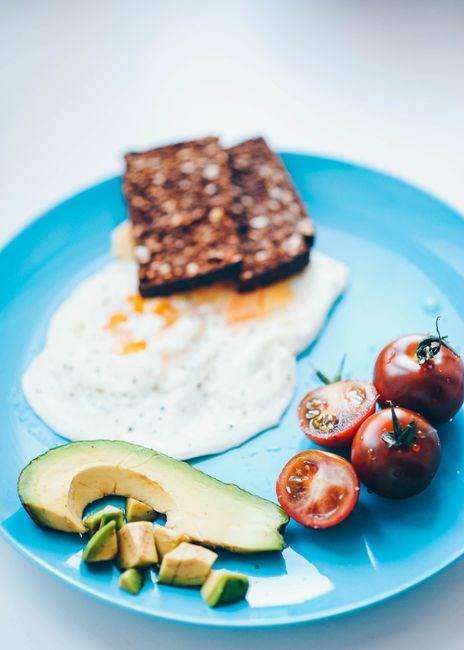
One frequent myth is that the plate must be strictly divided into equal halves. In reality, the visual guide is flexible; portions shift with personal goals and hunger signals. Another falsehood claims that the method eliminates the need for mindful eating. It merely offers a framework; conscious choices about seasoning, cooking methods, and added fats remain essential.
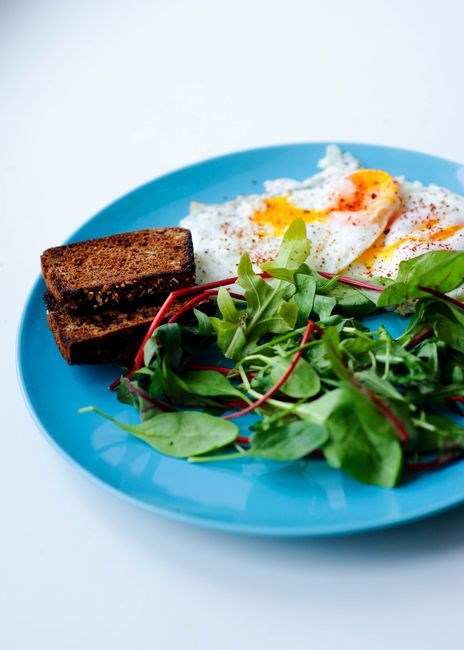
Some believe that the plate is a one‑size‑fits‑all solution, ignoring metabolic differences. While the basic layout is universal, individuals with higher activity levels or specific medical conditions may need more protein or carbohydrates. Likewise, those with low energy demands can reduce portions without compromising nutrition.
There is also a misconception that the plate method guarantees weight loss. It is a tool for balanced intake, not a calorie‑counter. Weight management depends on total energy balance, lifestyle habits, and consistent adherence. Finally, many assume that the plate excludes indulgences. Small, occasional treats fit within the overall plan; the key is moderation, not elimination.
To avoid these pitfalls, read the accompanying PDF carefully, experiment with portion sizes, and adjust based on satiety and performance. Keep a simple food diary, note how meals feel, and refine the plate layout accordingly. Remember, the plate is a guide, not a rulebook. Adjusting portions for specific dietary needs, such as low‑sodium or gluten‑free options, further personalizes the approach daily!! Remember, consistency and mindful adjustments are the keys to long‑term success. Every meal, and you!