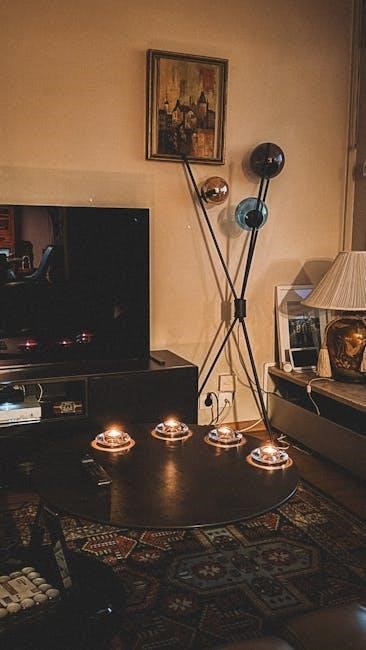
The Ultimate Living Room Rug Size Guide
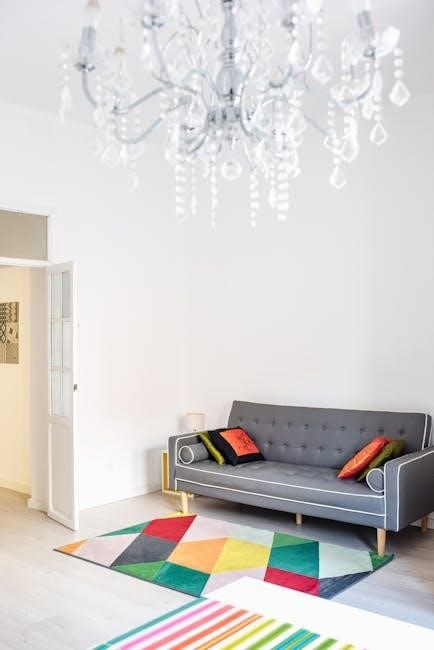
Welcome to the definitive resource for transforming your living room. This ultimate guide simplifies finding the perfect area rug size, crucial for cohesion and style. Learn expert tips to ensure your furniture beautifully complements your chosen rug, creating a harmonious and inviting space.
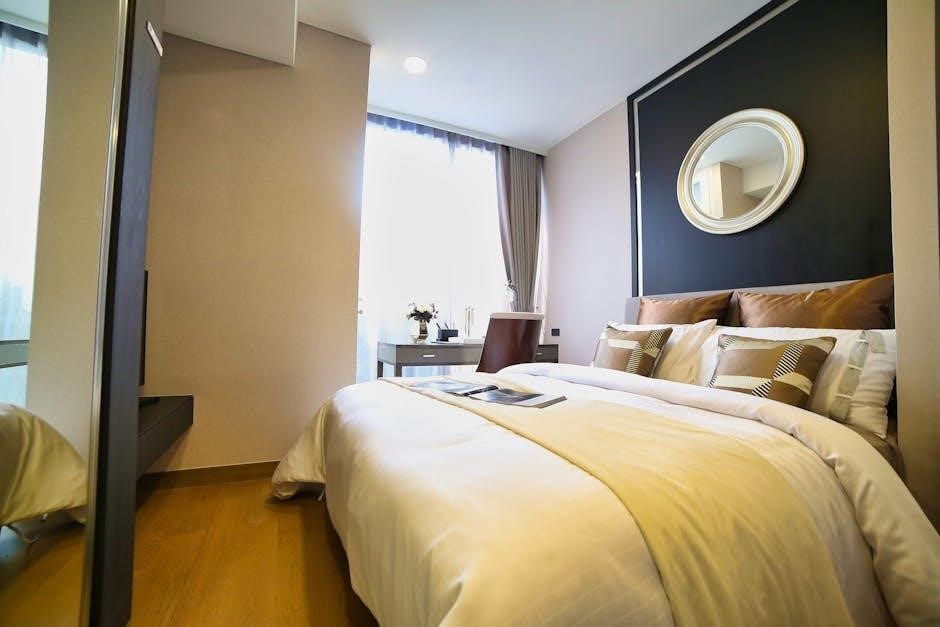
Why Rug Size Matters in Your Living Room
The question of “how important is the size of your rug?” has one undeniable answer: “super important.” An area rug is far more than just a floor covering; it serves as a critical design element that dictates the very mood and functionality of your living space. When accurately chosen, the right-sized rug acts as a designer’s dream accessory, introducing an essential sense of comfort, appealing texture, and vibrant color. Crucially, it functions as a powerful statement piece, seamlessly pulling all disparate living room elements together to forge a truly cohesive and inviting visual environment. Finding this perfect size, however, can be remarkably challenging. An incorrectly sized rug can make a room feel awkward, unintentionally shrinking it or leaving furniture visually disconnected. Conversely, a well-proportioned rug effectively defines distinct zones, such as a cozy “sitting/talking space,” making the entire area feel intentionally designed and complete. This strategic placement greatly enhances the room’s overall warmth and welcoming ambiance. Therefore, a precise understanding of rug dimensions is paramount to avoid common design missteps and to ensure your living room achieves a polished, balanced, and truly stylish aesthetic that elevates everyday living.
The “Bigger is Better” Principle for Area Rugs
The prevailing wisdom in interior design, particularly concerning living room area rugs, strongly advocates for the “bigger is better” principle. Experts consistently recommend opting for the largest rug your space can comfortably accommodate, as this approach profoundly impacts the room’s aesthetic and feel. A generously sized rug has the remarkable ability to make a living room appear more expansive, luxurious, and thoughtfully designed. Rather than making a space feel cramped, a larger rug visually anchors the furniture grouping, creating a unified and cohesive seating arrangement. Consider a rug that extends well beyond the front legs of your sofa and chairs, ideally reaching close to the perimeter walls, leaving a consistent border of exposed flooring – often suggested as about a foot. This expansive coverage ensures that the main furniture pieces, such as a beautiful couch, feel fully integrated and grounded within the designated living area. For instance, some advise a rug that stretches from under the sofa towards one wall, across to another, even encompassing a heater and under a coffee table. This extensive placement effectively marks the living space, making it feel much cozier and intentionally set out. It avoids the common pitfall of a rug looking like a small island in a vast sea of flooring, which can make a room seem disjointed and incomplete. Embracing the “bigger is better” mantra genuinely elevates the overall design, fostering an inviting and sophisticated atmosphere.
Essential Rule: Front Legs On The Rug
One of the most fundamental and universally accepted guidelines for choosing and placing an area rug in your living room is ensuring that at least the front legs of all major furniture pieces rest comfortably on the rug. This “front legs on” principle is absolutely crucial for creating a cohesive and well-defined seating arrangement. When the front legs of your sofa, armchairs, and other substantial items are on the rug, it visually anchors the furniture, preventing it from appearing as if it’s floating aimlessly in the room. This rule applies consistently to various living room layouts, including those with sectionals. For a typical living room setup, an 8×10 rug is often recommended to achieve this, ensuring the front feet of the sofa are firmly on the rug. This placement helps to delineate the living space effectively, pulling all elements together and making the room feel more intentional and harmonious. Without this connection, furniture can look disconnected from the central gathering area, diminishing the sense of warmth and invitation. Even with smaller rugs, adhering to this guideline is paramount. It’s about creating a visual bridge between the rug and the furniture, solidifying the overall design. This simple yet powerful rule enhances both the aesthetics and functionality of your living room, contributing to a polished and integrated look that designers often strive for.
Defining Space with Rug Placement
Rug placement is a powerful tool for delineating distinct zones within an open-plan or multi-functional living room. By strategically positioning an area rug, you can effectively define a cozy sitting or talking space, visually separating it from other areas of the home. A well-placed rug acts as an anchor, creating a clear boundary for your furniture arrangement and pulling all the elements of your seating area together. This intentional demarcation brings a sense of order and purpose to the room, preventing furniture from feeling disconnected. For instance, a large rug that extends near the edge of a chair in a corner can transform that spot into a much cozier and inviting nook. In larger living spaces, rugs can guide the eye and direct foot traffic, subtly suggesting pathways without the need for physical walls. Furthermore, layering rugs or utilizing rugs with compelling patterns can add significant visual interest while reinforcing these defined zones. The rug essentially serves as a statement piece, orchestrating the room’s elements and contributing to a unified aesthetic. It’s more than just decor; it’s a foundational element in structuring your living environment, making it feel both functional and intimately designed.
Ideal Rug Sizes for Standard Living Rooms
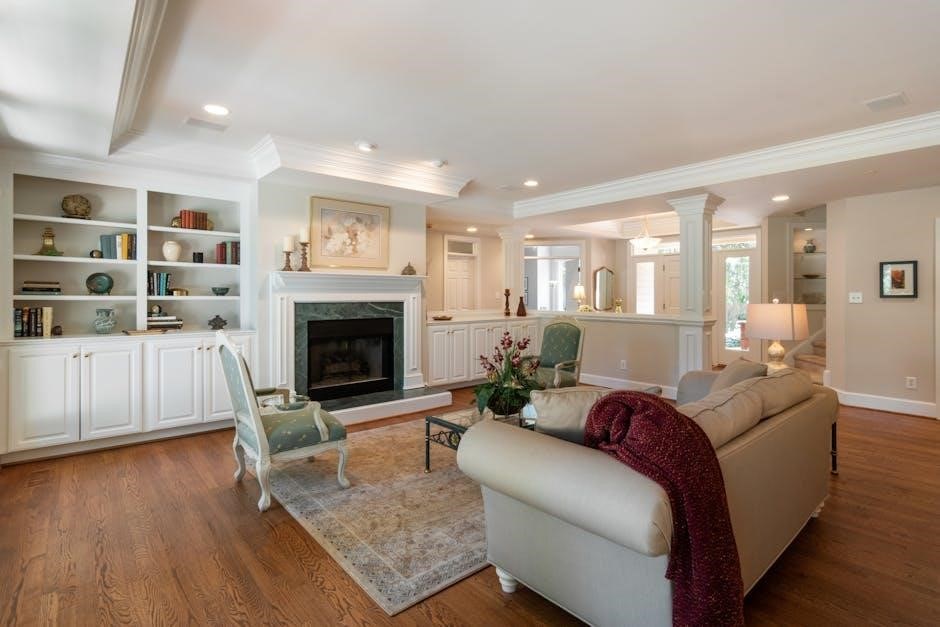
For standard living rooms, selecting the right rug size is paramount to achieving a balanced and inviting space. A widely recommended size is an 8×10 rug, which typically accommodates most standard sofa and seating arrangements effectively. The essential rule for this size, and indeed for most area rugs in a living room, is that at least the front legs of all major furniture pieces, such as sofas and armchairs, should comfortably rest on the rug. This creates a cohesive grouping and prevents the furniture from appearing to float aimlessly. While an 8×10 is often ideal, for more compact living areas, a 5×7 rug might be considered if space is extremely limited, though it’s crucial to ensure the front legs principle is still met. Some layouts might also benefit from a 6×8 or 7×9, particularly when defining a smaller seating zone. Remember, the “bigger is better” principle often applies, as a larger rug can make a room feel more expansive and luxurious. Aim to leave approximately a foot of exposed flooring around the perimeter of the room to maintain a sense of openness. Visualizing these dimensions with masking tape can greatly assist in confirming the ideal fit before making a purchase, ensuring the chosen rug truly enhances your standard living room layout and ties all elements together seamlessly.
Rug Size Guide for Sectional Sofas
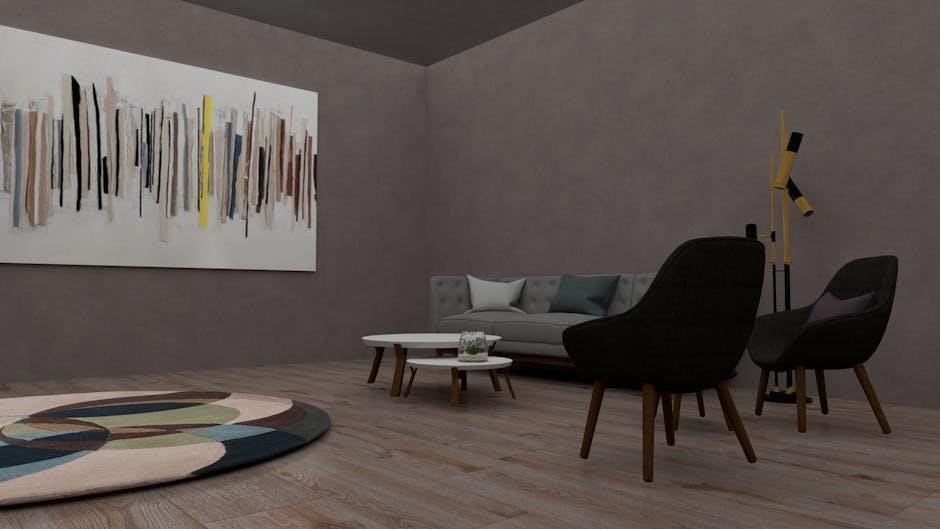
Sectional sofas present a unique challenge for rug sizing due to their expansive and often L-shaped or U-shaped configurations. To properly ground a sectional, the rug needs to be significantly larger than for a standard sofa, acting as a true foundation for the entire seating area. For most sectionals, recommended sizes include 8×10, 9×12, or even a substantial 10×14, depending on the sectional’s dimensions and room scale. The crucial guideline remains that at least the front legs of all components of the sectional—including the main sofa sections, chaise lounge, and any corner pieces—should rest comfortably on the rug. This ensures the entire seating arrangement feels unified and prevents any part from appearing disconnected. A generously sized rug under a sectional effectively defines the large seating zone, transforming it into a cohesive and inviting hub within your living room. It enhances coziness, especially when the rug extends far enough to encompass the entire footprint of the lounging area, creating a warm, set-out sitting space. Selecting a rug that is too small for a sectional diminishes the furniture’s grand impact, making the space feel disjointed. Therefore, always err on the side of a larger rug to complement the expansive nature of a sectional, creating a well-anchored and luxurious foundation for your extensive seating arrangement, truly pulling the room together.
Considering Room Perimeter and Wall Clearance
When selecting a rug for your living room, thoughtfully considering the room’s perimeter and maintaining appropriate wall clearance is paramount for a balanced aesthetic. A widely accepted guideline suggests leaving a consistent margin of exposed flooring, typically around 12 to 18 inches, between the edge of your rug and the walls on all sides. This “foot around the perimeter” rule prevents the rug from appearing like ill-fitting wall-to-wall carpeting and allows the room’s inherent flooring to act as a natural frame. Some experts even advise a minimum of “at least 3 inches between wall and rug on each side,” though a more generous border often achieves a more refined and intentional look. This strategic clearance ensures the rug defines a specific zone without visually shrinking the room or making it feel overcrowded. It allows the eye to perceive the room’s full dimensions, contributing to an airy and open atmosphere. Maintaining this consistent gap is crucial for anchoring your furniture effectively while still celebrating the room’s overall footprint, creating a sophisticated and well-proportioned design in your living space.
Visualizing Rug Sizes with Masking Tape
Visualizing rug sizes effectively before purchase is crucial for finding the perfect fit for your living room. A highly effective and simple trick involves using masking tape to outline potential rug dimensions directly on your floor. As widely suggested, you can “Try putting masking tape at 7×9 and 6×8 to give an idea of how it would feel at those sizes.” This practical method allows you to accurately perceive the actual footprint of various rug sizes, offering a tangible sense of how a specific dimension will truly fill and enhance your room’s aesthetic; This invaluable step removes guesswork.

By physically marking out the rug’s boundaries, you can easily assess critical aspects like appropriate wall clearance, how your furniture will sit on or off the rug, and its overall proportion relative to your existing sofa, chairs, and coffee table. This visual aid helps determine if a larger rug achieves the desired expansive feel or if a slightly smaller one better defines the seating area. It prevents costly mistakes and ensures you select a rug that flawlessly complements your living room’s layout, ultimately leading to a confident and successful design choice.
Rug Placement Near Hallways and Entryways
Strategic rug placement near hallways and entryways is vital for creating a welcoming and functional flow in your home. In these transitional spaces, rugs serve multiple purposes: they guide foot traffic, define distinct zones, and add an immediate sense of warmth and style. For entryways, the choice of rug size is crucial and should be dictated by the available space. Commonly recommended sizes include a 2×3, 3×5, or 4×6 rug, ensuring it doesn’t overwhelm the area but still makes an impact. The goal is to make the space feel inviting without impeding movement.
When placing rugs in hallways, runners are typically employed to define long, narrow areas. An important guideline is to maintain a clear border: “Have at least 3 [inches] between wall and rug on each side.” This prevents the runner from feeling crammed and allows the flooring beneath to frame it nicely. Furthermore, your runner “shouldn’t be the exact length of your hallway”; it should stop just before the opening to the next room or hallway. For any furniture present, such as cabinets or benches, the “front legs… should sit on or off the runner,” depending on the desired effect and stability. This thoughtful placement ensures both aesthetics and practicality.
Beyond Size: Rug Material and Durability
While selecting the perfect rug size is paramount, delving into the material and durability aspects is equally crucial for a lasting investment. A rug isn’t merely a decorative element; it’s a functional piece that endures daily foot traffic, potential spills, and general wear and tear over the years. Opting for quality materials ensures your rug maintains its aesthetic appeal and structural integrity far beyond just 2-3 years, preventing it from looking prematurely worn. Consider the rug’s intended use: a high-traffic living room demands a more resilient material than a seldom-used space.

Natural fibers like wool offer excellent durability, natural stain resistance, and a luxurious feel, often lasting for decades with proper care. Jute and sisal provide a more casual, textured look but can be less forgiving with spills. Synthetic options, such as polypropylene or nylon, are celebrated for their exceptional stain resistance and resilience, ideal for busy households and areas prone to accidents. These materials are designed to withstand significant use, resisting signs of aging like fading and matting. Understanding material properties guides you toward a choice that looks beautiful and stands the test of time, ensuring a vibrant, comfortable living space.
Washable Rugs for Busy Households
Busy households, often bustling with pets, children, and frequent entertaining, inevitably face the challenge of spills and stains on their living room rugs. Traditional rugs can quickly become a headache to clean, frequently demanding professional services or intensive spot treatments that don’t always fully erase the evidence of life’s little accidents. This is precisely where washable rugs emerge as a transformative solution, offering unparalleled convenience and significant peace of mind for homeowners.
Brands like Ruggable have innovated, pioneering stylish, machine-washable options crafted specifically for the rigorous demands of active homes. The remarkable ability to simply toss a soiled rug into the washing machine completely transforms rug maintenance from a daunting chore into a straightforward task. This ensures your living space consistently remains fresh, hygienic, and visually appealing, eliminating the constant worry about wear, tear, or permanent damage from spills. For families, pet owners, or anyone prioritizing both aesthetics and practicality, washable rugs represent an exceptionally smart investment. They facilitate a beautiful, comfortable environment that truly accommodates a bustling lifestyle, making them perfect for maintaining a pristine appearance effortlessly.
Custom-Made Rugs from Carpet Remnants
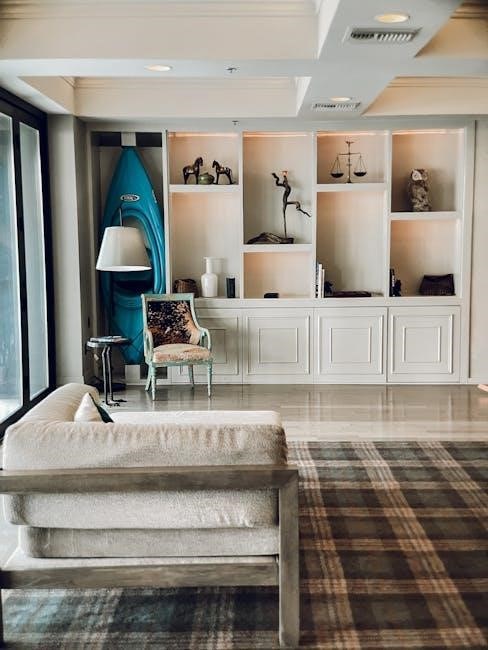
Finding a perfectly sized, large area rug for your living room within budget can be a significant hurdle. Pre-made options, especially for expansive dimensions, often carry steep price tags. The ingenious solution of custom-made rugs, crafted from carpet remnants, offers an incredibly practical and economical alternative. This approach blends affordability with bespoke design, allowing you to achieve a high-end, tailored look without the premium cost. It’s a smart way to ensure your living space benefits from a quality, perfectly proportioned floor covering, enhancing both aesthetic and comfort.
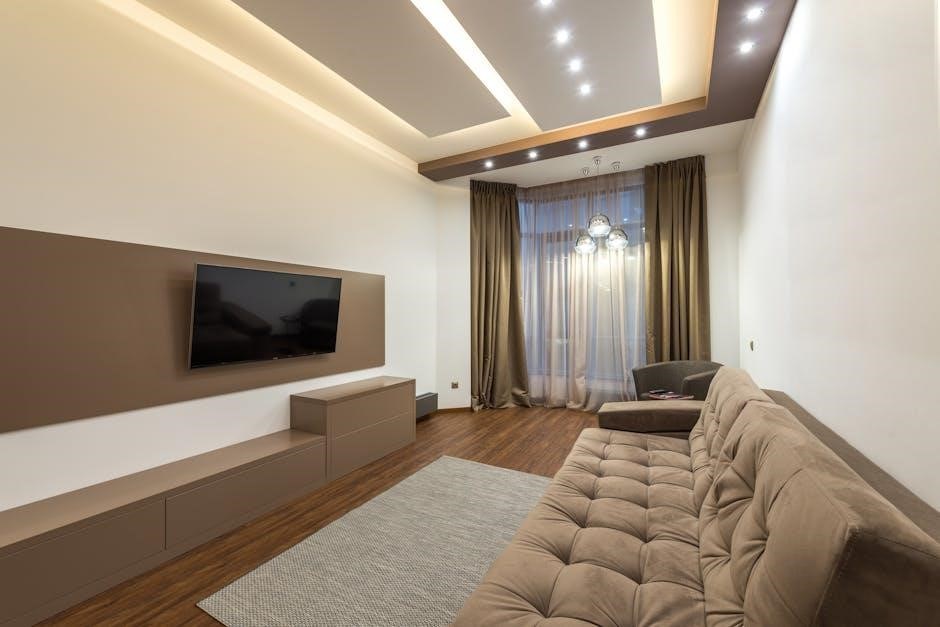
To pursue this, visit a local carpet store. They maintain diverse inventory of high-quality carpet remnants – leftover pieces from larger installations available at substantially reduced rates. You select the precise material, color, and texture complementing your existing furniture and decor. Professionals then expertly cut and bind these remnants to your exact desired dimensions, creating a truly unique and custom-fitted rug for your home. This method guarantees a precise fit for your space and provides a significant financial advantage over purchasing comparable pre-manufactured rugs. It’s a smart, sustainable choice.
Layering Rugs for Added Interest and Cohesion
Layering rugs is an advanced design technique that instantly elevates a living room’s aesthetic, adding significant visual interest, texture, and depth. This method involves placing a smaller rug atop a larger one, creating a multi-dimensional look that can define zones and infuse personality into your space. Beyond merely covering floor space, layering rugs serves to enhance the overall cohesion of your decor, allowing you to blend different patterns, colors, and materials in a sophisticated manner. It’s an excellent strategy for personalizing a room and making it feel more curated and inviting.
When considering layering, begin with a larger, often neutral or subtle-patterned base rug that anchors the main seating area. This foundational piece helps define the living space, creating a soft landing for furniture. On top of this, introduce a smaller, more decorative rug with a distinct pattern, richer texture, or bolder color. This top layer serves as a focal point, drawing the eye and adding a luxurious, custom feel. Layering also offers practical benefits, such as adding extra comfort underfoot and allowing you to incorporate a cherished smaller rug that might otherwise feel lost in a larger room. This approach cleverly ties together furniture and decor elements.
Choosing Rugs to Complement Furniture and Decor

Selecting the perfect rug involves more than just size; it’s about creating a cohesive and visually appealing environment that truly complements your existing furniture and decor. A well-chosen living room rug acts as a foundational element, tying together various pieces and enhancing the overall aesthetic. The key lies in identifying how the rug’s color, pattern, and texture will interact with your sofa, chairs, tables, and wall colors.
To achieve harmony, consider the dominant hues and undertones present in your furniture and artwork. A rug that either matches or subtly contrasts with these elements can create a balanced and inviting space. For instance, if your furniture is neutral, a patterned or richly colored rug can introduce a vibrant focal point. Conversely, if your furniture is bold, a more subdued rug can provide a calming anchor. Beyond color, the rug’s texture adds another layer of interest, contributing to the room’s tactile experience. A luxurious shag might suit a cozy space, while a flat-weave could complement a modern, minimalist setting. Ultimately, the rug should feel like an integrated part of the room’s narrative, elevating the existing design rather than competing with it, making it a powerful statement piece that pulls all living room elements together effortlessly.